Overweight baggage - A transmission story

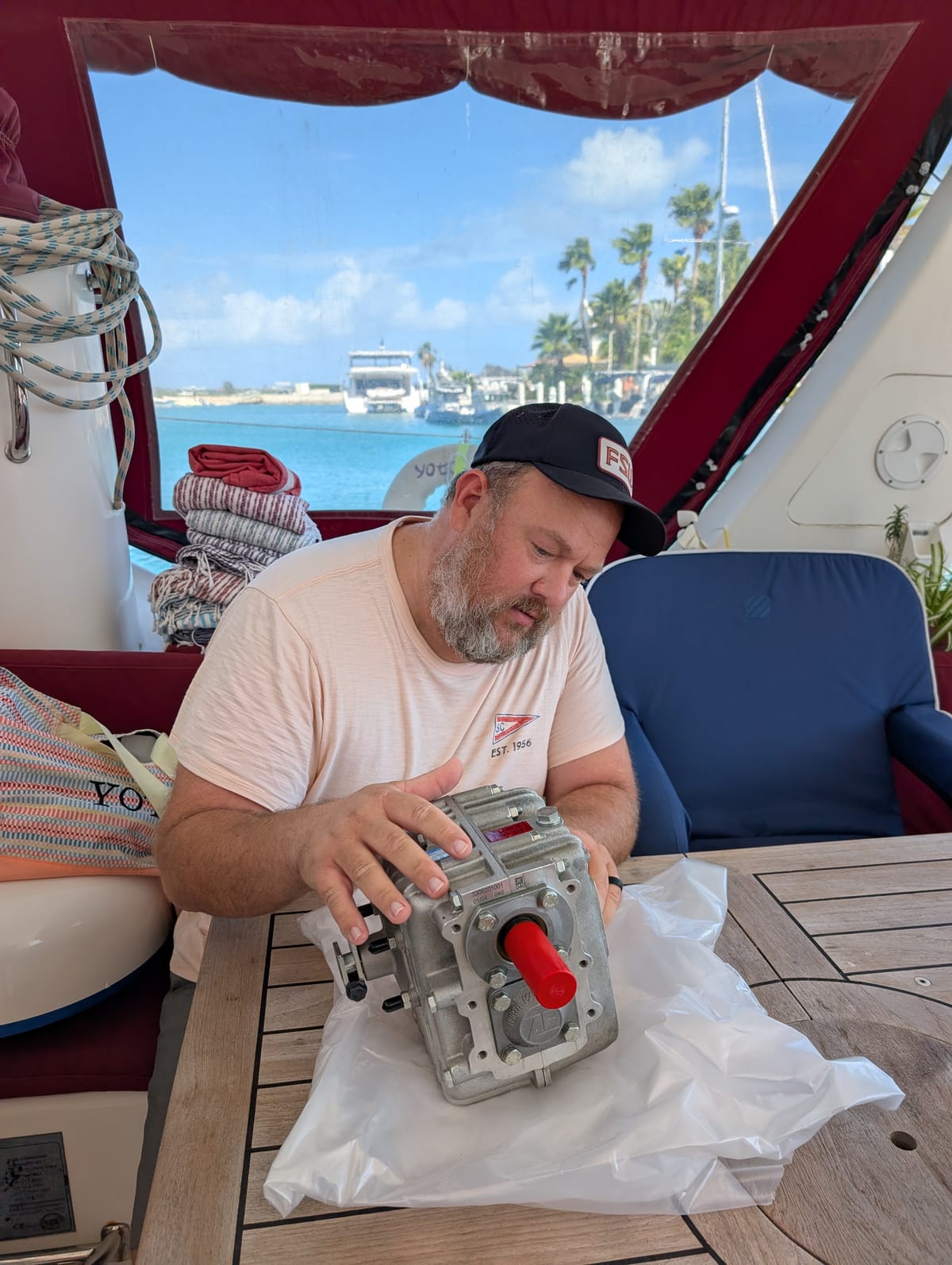
Our starboard transmission had been slipping for a while. It wouldn't engage forward gear until the engine was fully warmed up — never a great sign. The ZF 15MA uses internal clutch packs and seals that wear over time, and ours had clearly reached the end of the line. Time for a new one.
The question wasn't if we'd replace it, but how do you get a marine transmission to a boat in the Turks and Caicos?
Shipping heavy parts into the Caribbean is its own special adventure — expensive freight, unpredictable customs, and timelines measured in "weeks, probably." I decided on a more hands-on approach: fly to Florida, grab the unit, and carry it back myself.
The original plan was simple — fly into Orlando, rent a car, drive to Jacksonville to pick up the transmission. One problem: I'd lost my driver's license a couple months earlier. No rental car. So I reworked the route and booked flights in and out of Jacksonville instead.
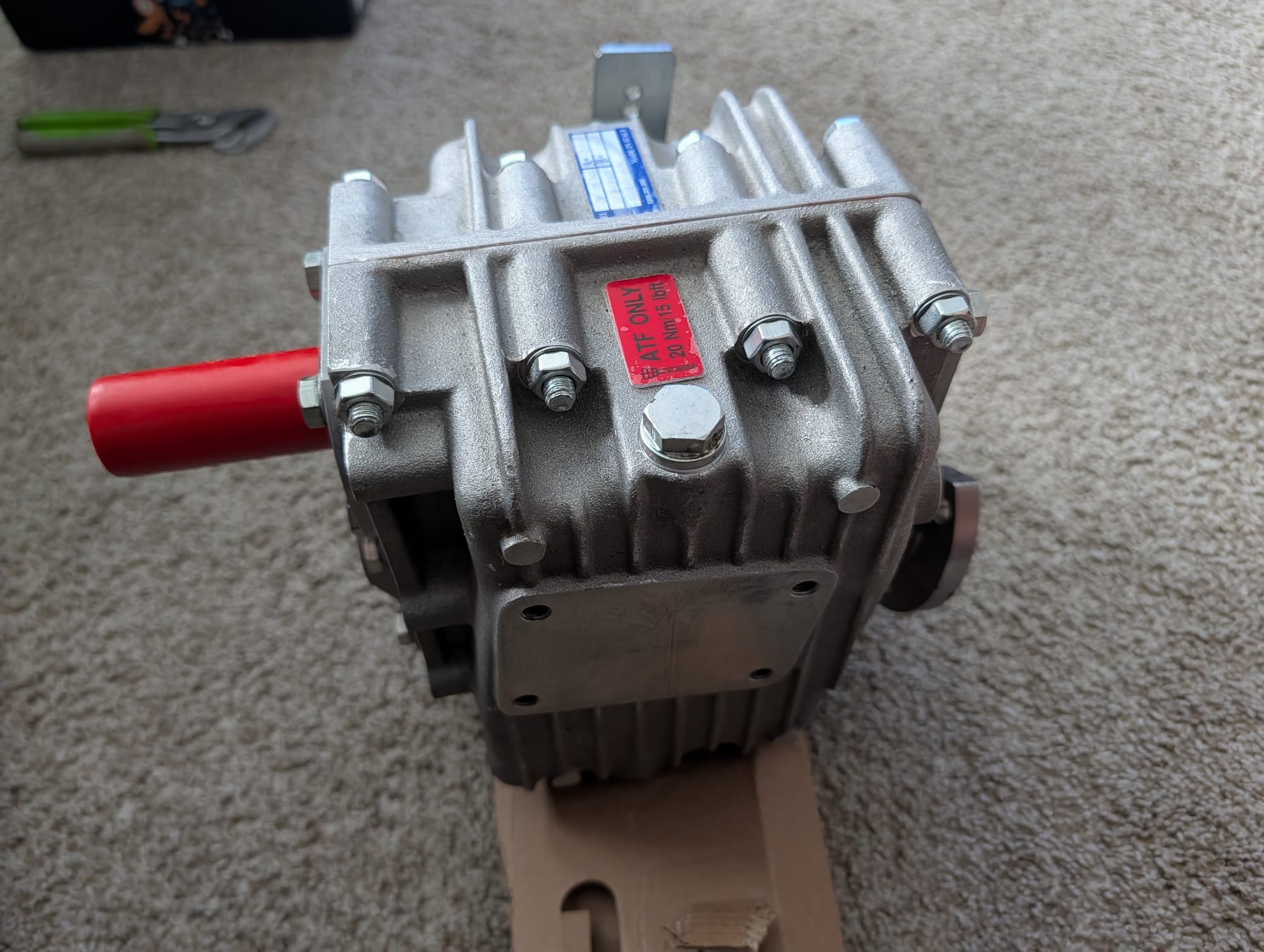
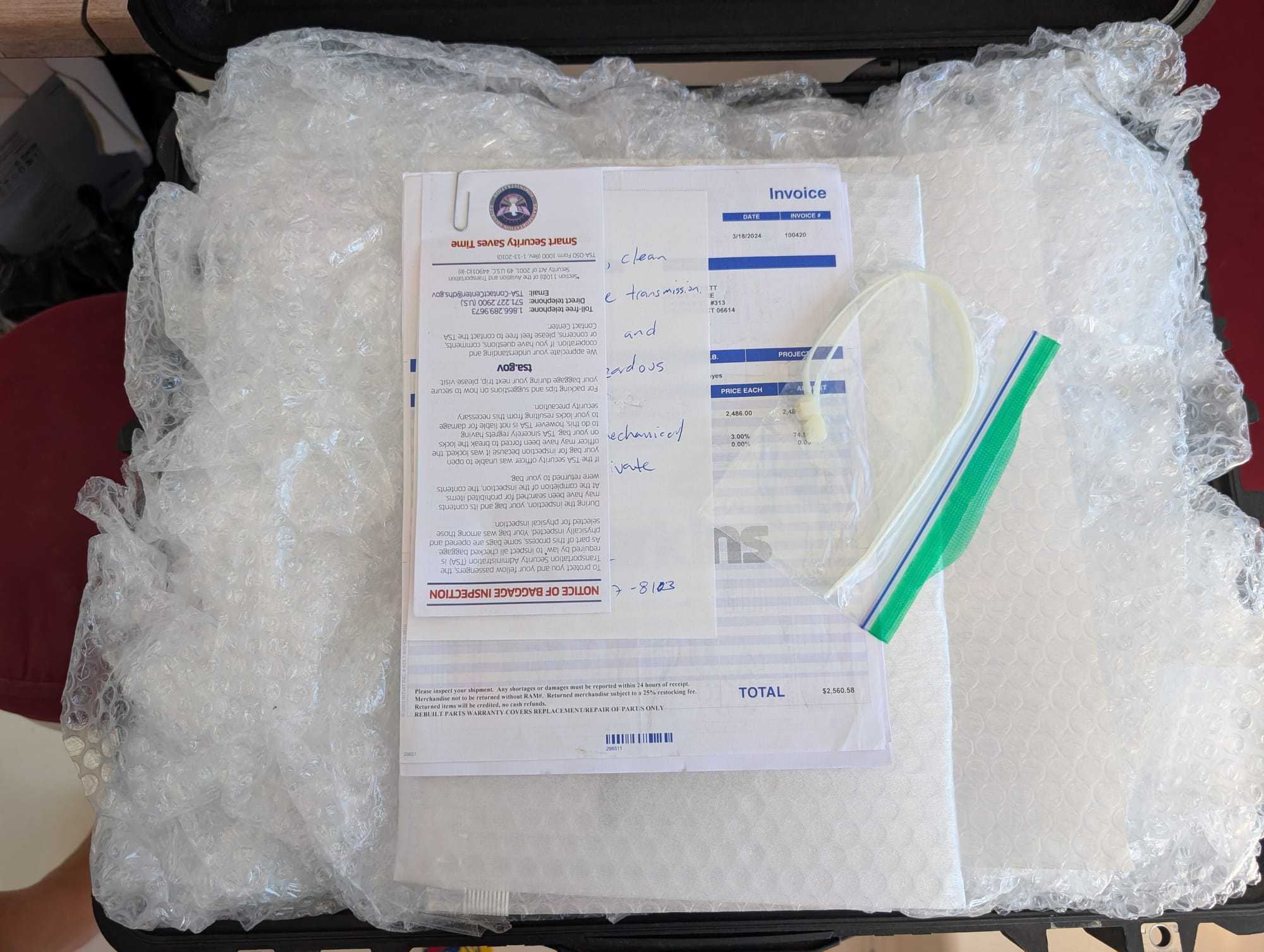
I picked up the new ZF 15MA in Jax. At roughly 30 lbs, it's technically within airline checked bag limits. It is not, however, luggage-shaped. I grabbed a Pelican 1620 case, padded the transmission inside, drained every drop of residual oil per FAA PackSafe rules, and tucked the original invoice and a friendly note inside for whoever at TSA decided to open it.
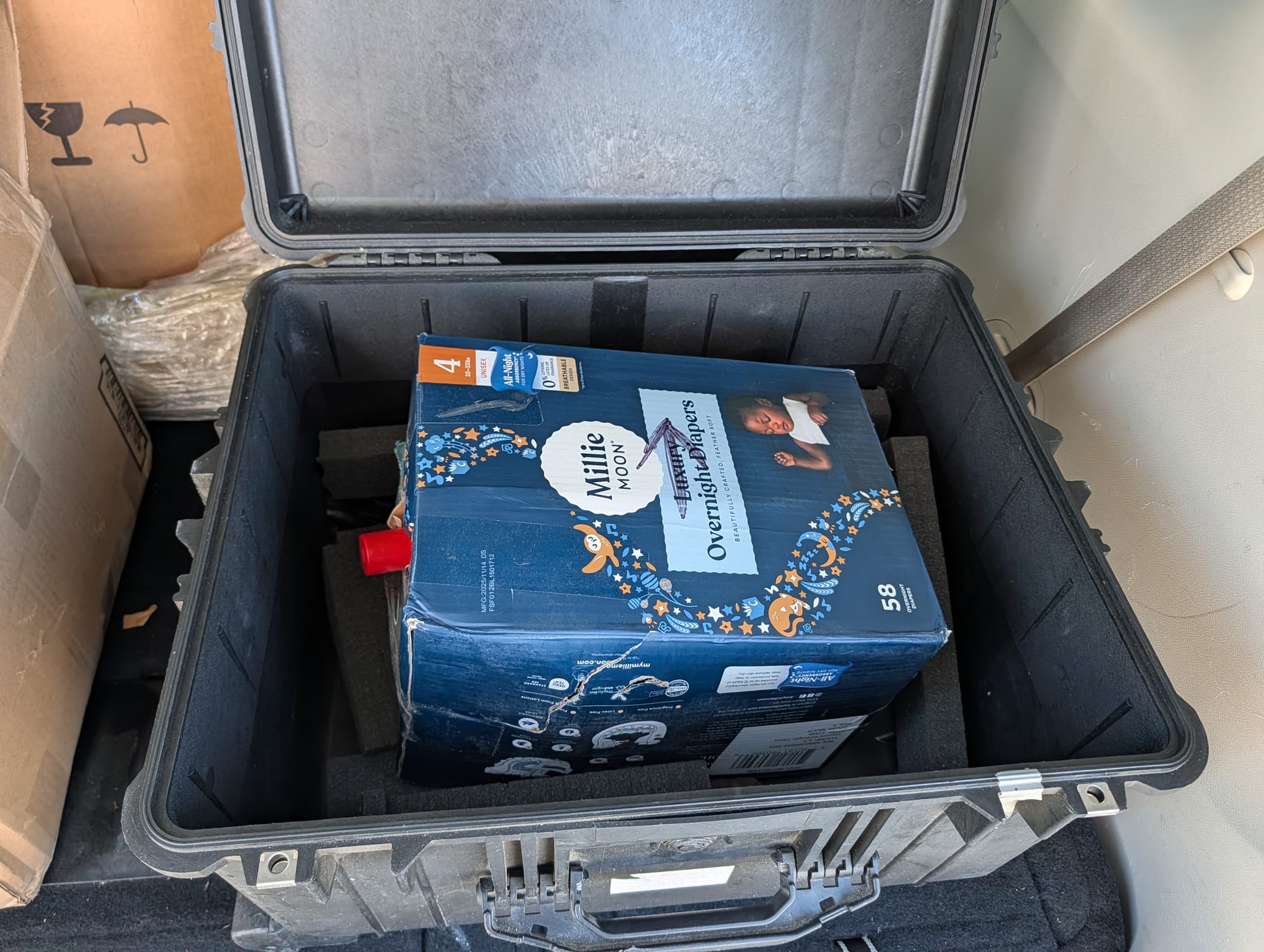
Then my flight back got canceled. But here's where the trip did me a favor — while I was in Florida I'd managed to get a new driver's license. Plan A was suddenly back on the table. I rented a car, drove to Orlando, and flew direct to Providenciales with a Pelican case that earned me some looks at the terminal. It checked through without a problem.
Back at South Bank Marina, the real work started. On paper, swapping a ZF 15MA seems like a weekend job — a few bolts, a coupling, done. The Dean 441 engine room had other plans.
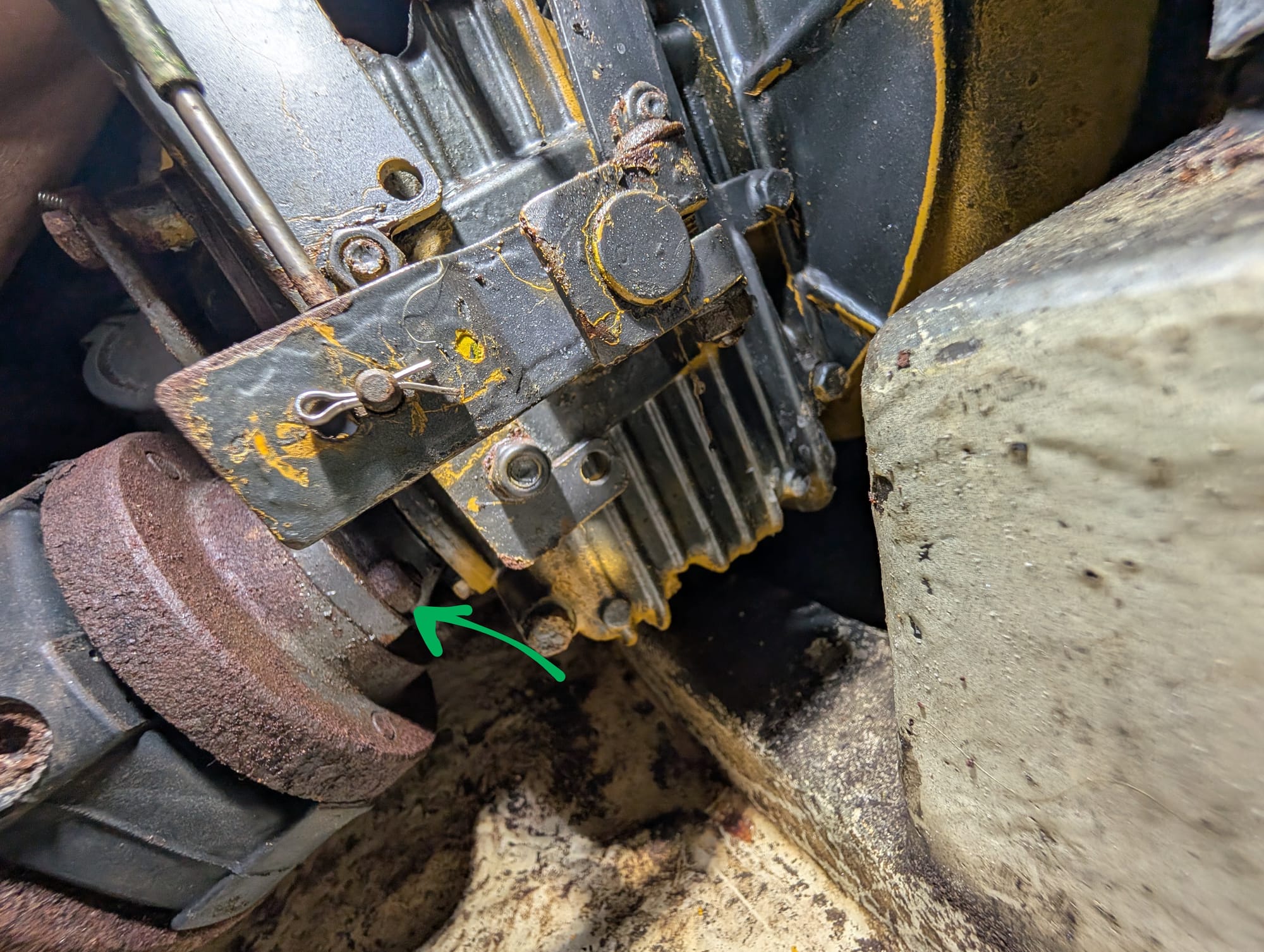
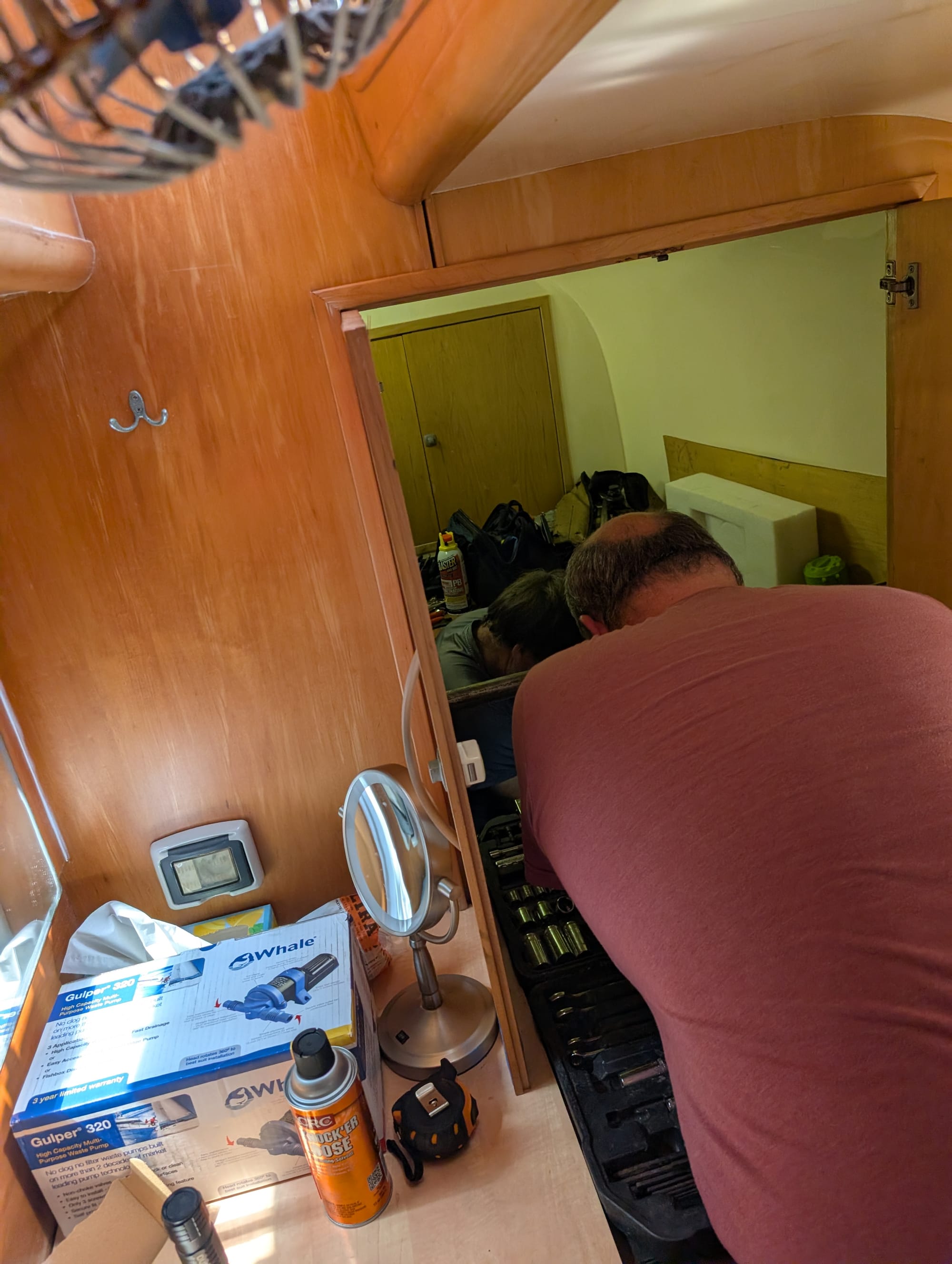
To fully access the bell housing, you have to remove the rear motor mounts. That means supporting the weight of the engine while working in the cramped space of a catamaran hull. This is not a solo operation. We called in Caribbean Marine & Diesel at the marina, and with their help we were able to pull the rear mounts, disengage the Bullflex coupling (serious leverage and an offset wrench required), swap the old unit for the new one, and get everything re-aligned.

After a fresh fill of ATF and a sea trial, Yoto is back to full strength. No more idling at the dock waiting for the engine to warm up before we can leave. It was a hectic week of flying, driving, improvising, and crawling around the engine room, but there's something satisfying about knowing exactly what's under the floorboards — and that it got there as checked luggage.